
Your period data is extremely sensitive health information, yet most period tracking apps or wearables like a watch or a ring are not protected by HIPAA (the law that keeps your health information private). So, how private your data stays depends on each app’s own policies.
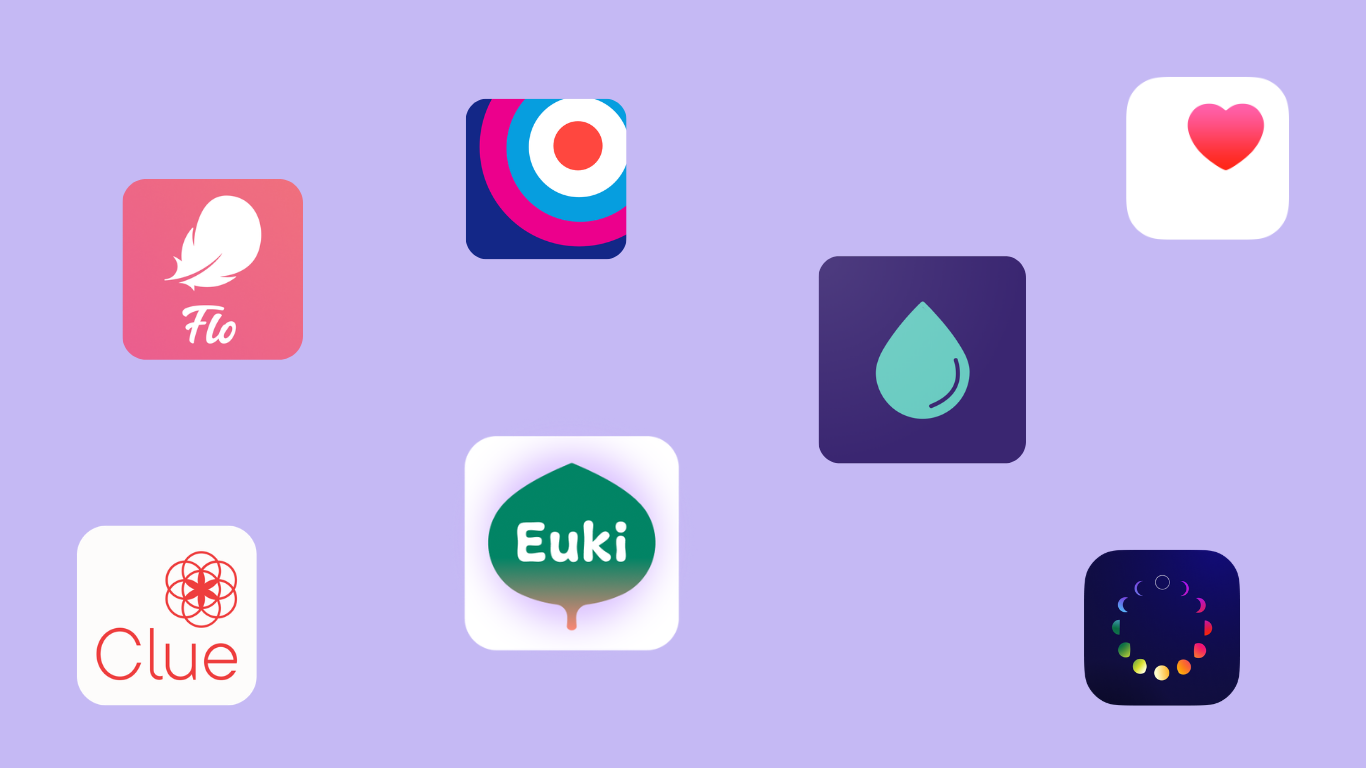
Full disclosure: we’re the creators of the Euki App, so we can’t give you a completely unbiased take. Here’s a clear breakdown anyway, based largely on the Mozilla Foundation’s 2026 independent privacy review.
Look for apps that use local data storage, like the Euki App and Drip. When data is stored locally this means that it lives nowhere but on your phone. No cloud backup, no servers, no third parties. In other words, there is nothing to leak or sell. The Euki App and Drip are also run by non-profit organizations and are completely free with no ads or paywalls. Recently, Mozilla rated the Euki app a 10/10, calling it the most private option.
If you need more bells and whistles, Clue operates out of Germany and is covered by Europe’s GDPR privacy law. Although they give you ongoing options to ensure that you have control over your data and where it is going, they do still store your data on servers. Many features require a paid subscription, but it can be a good option if you’re willing to pay for more comprehensive features.
Flo may be the most mainstream period tracker, but there’s a few things to keep in mind. In 2021 and 2023, Flo settled two lawsuits with the FTC and Ius Omnibus over allegations it shared user’s health data with Facebook and Google. Flo has improved since then, and its "Anonymous Mode” does offer heightened privacy settings, you just have to make sure to opt in.
Stardust has also faced scrutiny over data sharing and received a 2/10 privacy rating from Mozilla, the lowest of the apps reviewed.
Most period tracking apps know to mention privacy in their marketing campaigns, but will still sell or share data with third parties. Make sure to always read (and understand!) the privacy policy. A trustworthy policy is clear and easy to understand. If it’s confusing, vague, or full of jargon, treat that as a red flag, because some companies write them that way on purpose so users can’t tell whether, or how much of, their data is being sold. You can also check what privacy experts have to say before you decide to download.